

Dog Boots vs. Grip Socks for Senior Dogs: 7 Fit & Safety Checks
Compare grip socks and dog boots for indoor footing, outdoor paw protection, correct fit, and safe first-use checks for an older dog.
Read the Article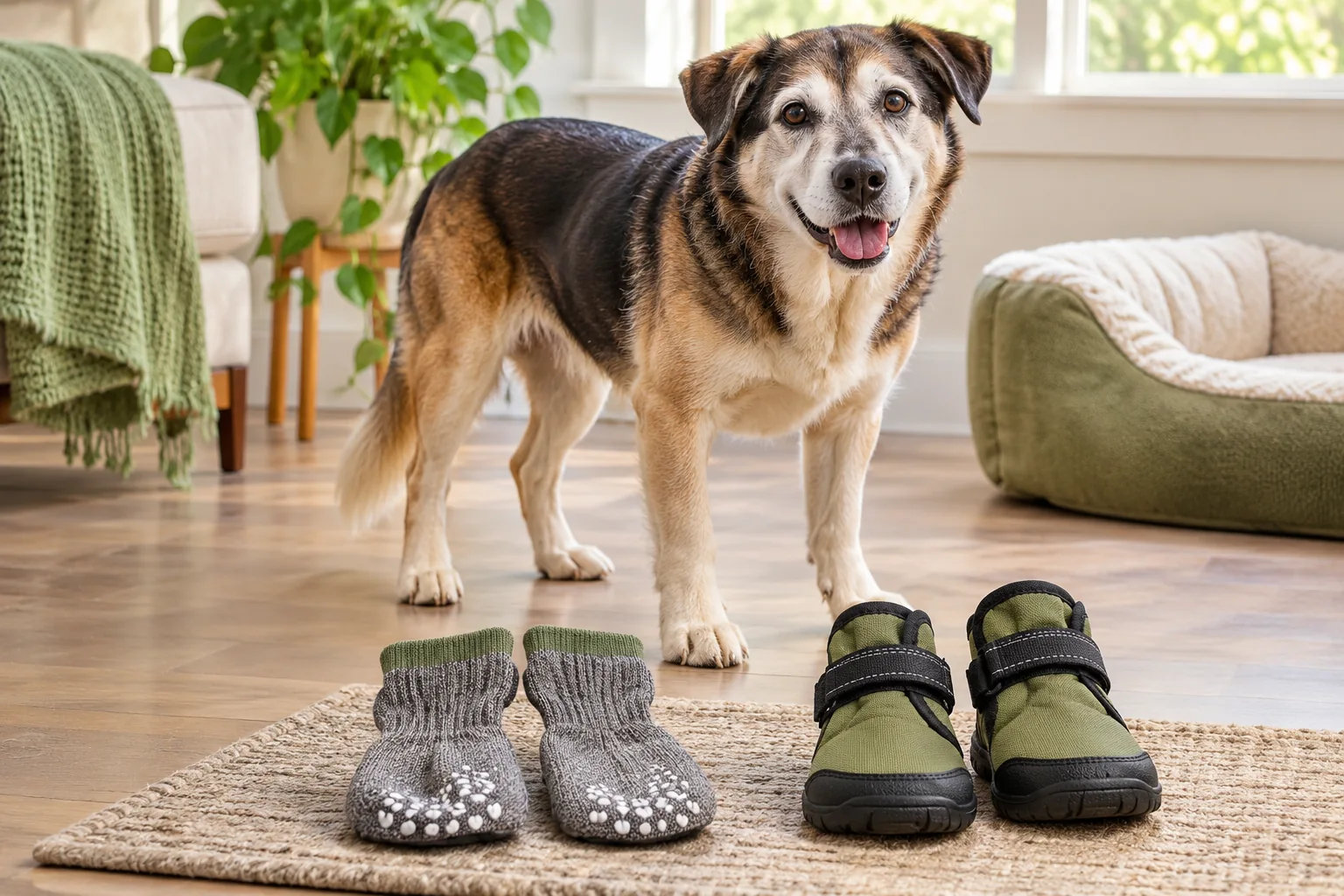
Latest articles
Practical tips, product guidance, and real-life solutions for older dogs and the people who love them.
Compare grip socks and dog boots for indoor footing, outdoor paw protection, correct fit, and safe first-use checks for an older dog.
Read the ArticleUse a simple seven-day log to notice changes in sleep, getting comfortable, restlessness, appetite, and daily movement—and share useful observations with your veterinarian.
Read the Article
Learn what “orthopedic,” foam specifications, certifications, and warranties can actually prove—and which real-world checks still matter for a senior dog.
Read the Article
Learn what elbow swelling may mean, how padded and clean bedding can reduce repeated hard-surface trauma, and which changes need veterinary attention.
Read the Article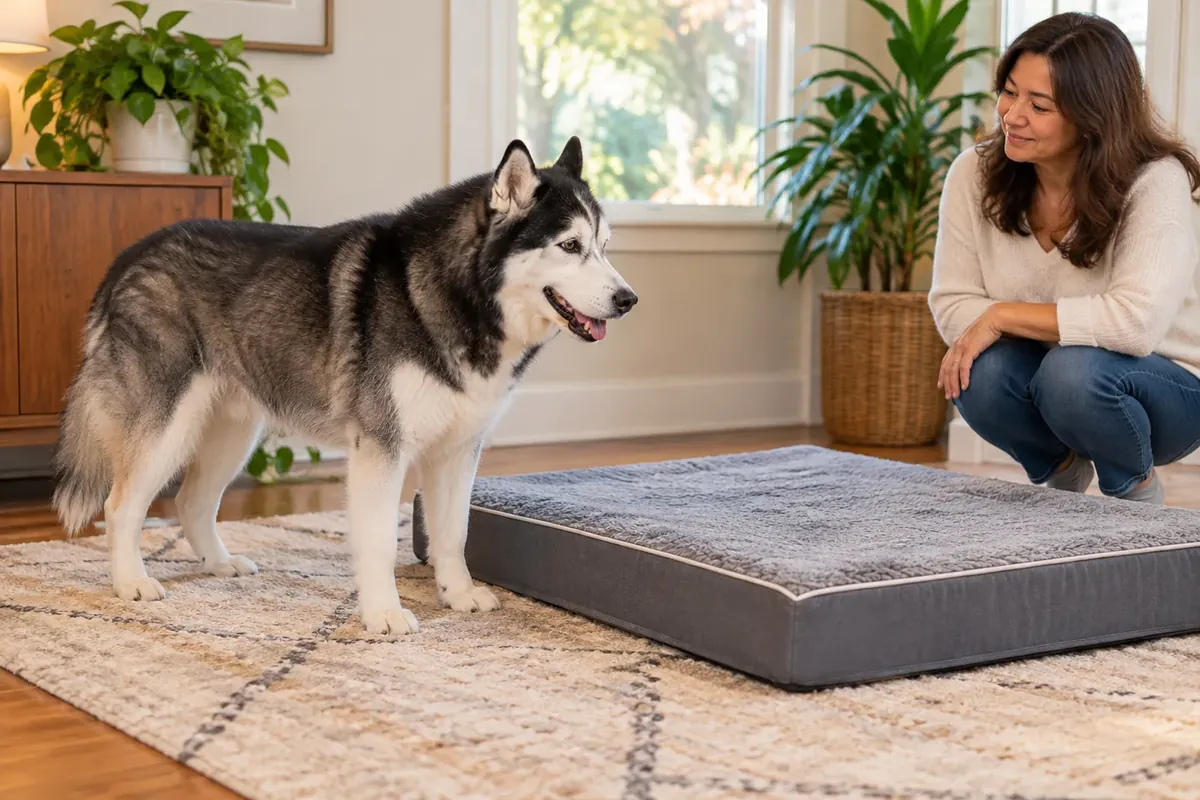
Before buying another traction product, map the route your dog actually walks and find the turns, exits, doorways, and landing zones that need help first.
Read the Article
Fit a car ramp to your senior dog and actual vehicle with seven practical checks for entry height, ramp length and incline, traction, usable width, locks, landing space, and gradual training.
Read the Article
Check real step-over height, edge and bolster clearance, approach, landing space, bed stability, turning, exit, and warning signs that call for veterinary advice.
Read the Article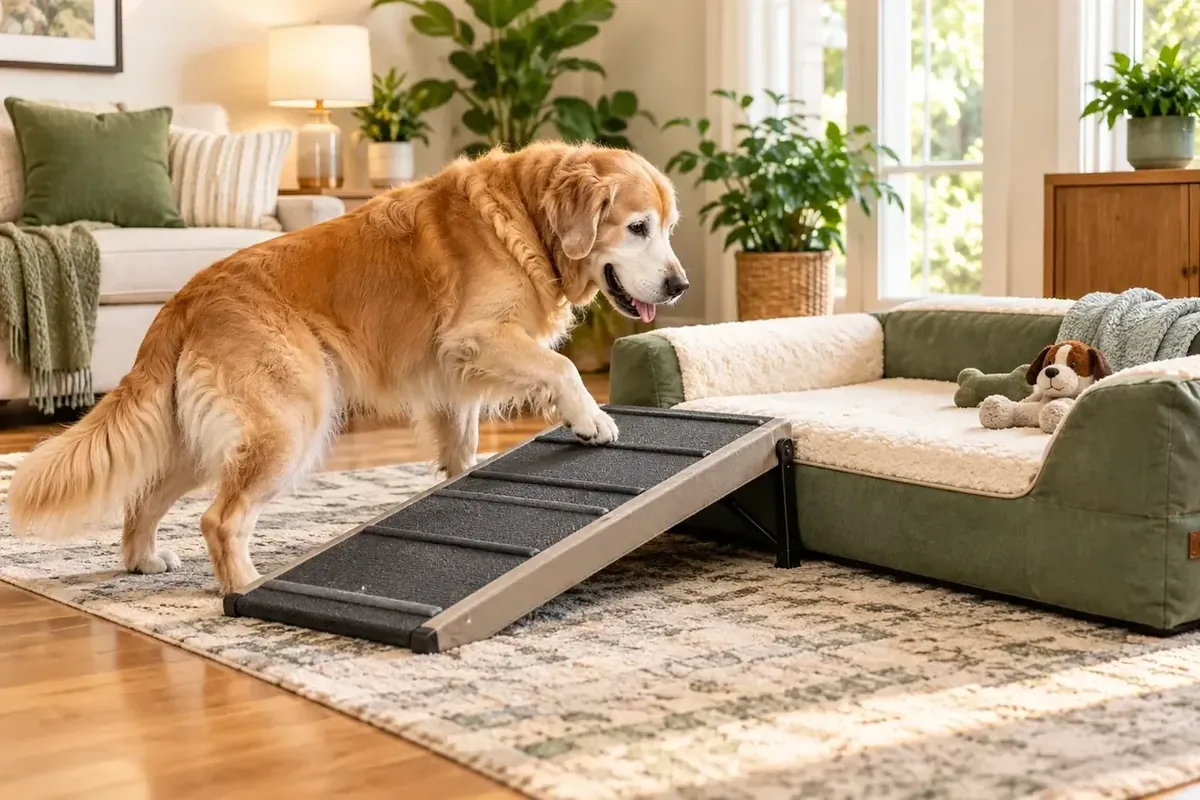
If your senior dog has an accident on the bed, use seven practical checks to protect comfort, keep bedding clean and dry, and know when repeated accidents need a vet visit.
Read the Article
As cooler weather arrives, use seven practical checks for your senior dog's bed, floor route, temperature, paws, and indoor routine.
Read the Article
A raised bed is not automatically easier for a senior dog, and a floor-level bed is not automatically better. Use seven practical checks to compare access, stability, support, temperature, cleaning, fall consequences, and real-world use.
Read the Article
A senior dog bed can look supportive until the bolster shifts, folds, or becomes a barrier. Use seven practical checks for edge stability, easy access, safe repositioning, and everyday comfort.
Read the Article
Use seven loaded-bed checks plus a five-step foam-recovery review to distinguish normal cushioning from persistent support loss, instability, or damage.
Read the Article
A few turns before lying down can be normal. Learn how to tell a familiar nesting routine from a repeated struggle to settle, and check the bed and home setup without over-reading one behavior.
Read the Article
A rug can add traction only if it stays flat, stays put, and covers the places your senior dog actually walks. Use these seven checks before buying.
Read the Article
No harness is literally escape-proof. Use eight fit and security checks for Huskies and other dogs that may back out of loose gear.
Read the Article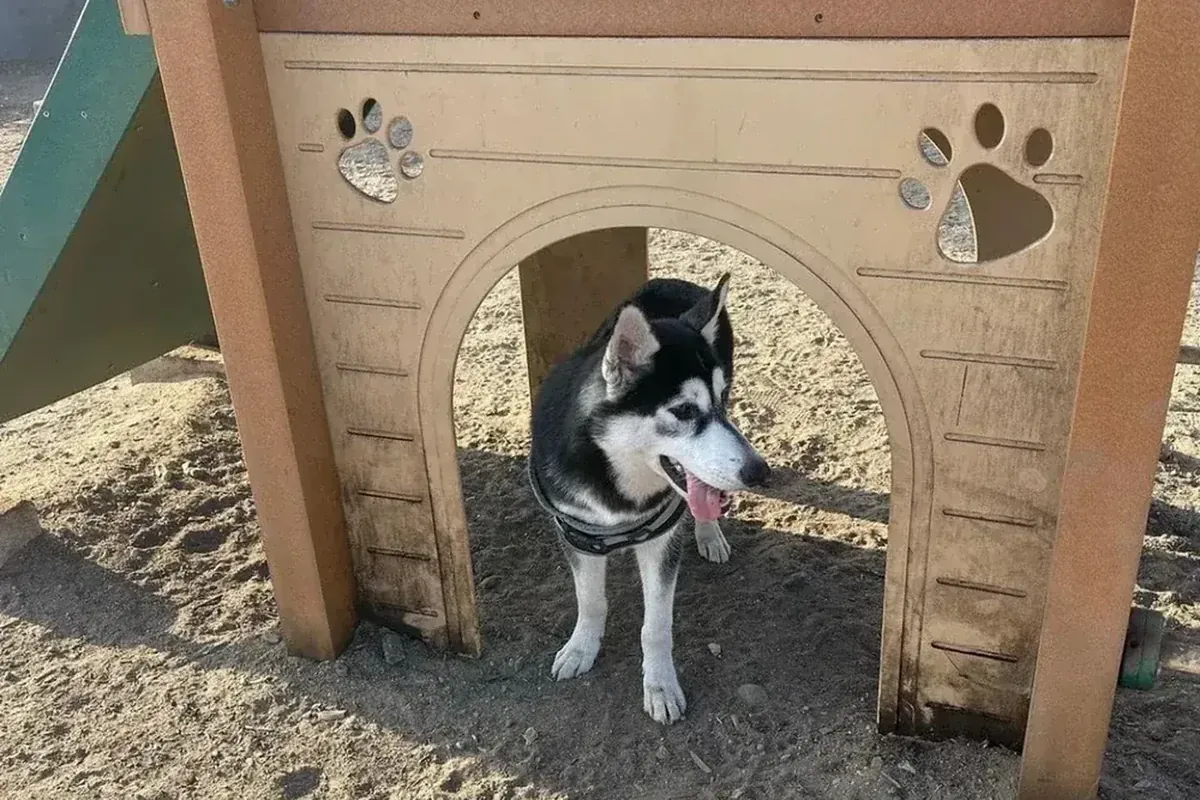
A removable cover is only useful if it is easy to remove, wash, dry, refit, and replace. Use seven checks for the entire cover system.
Read the Article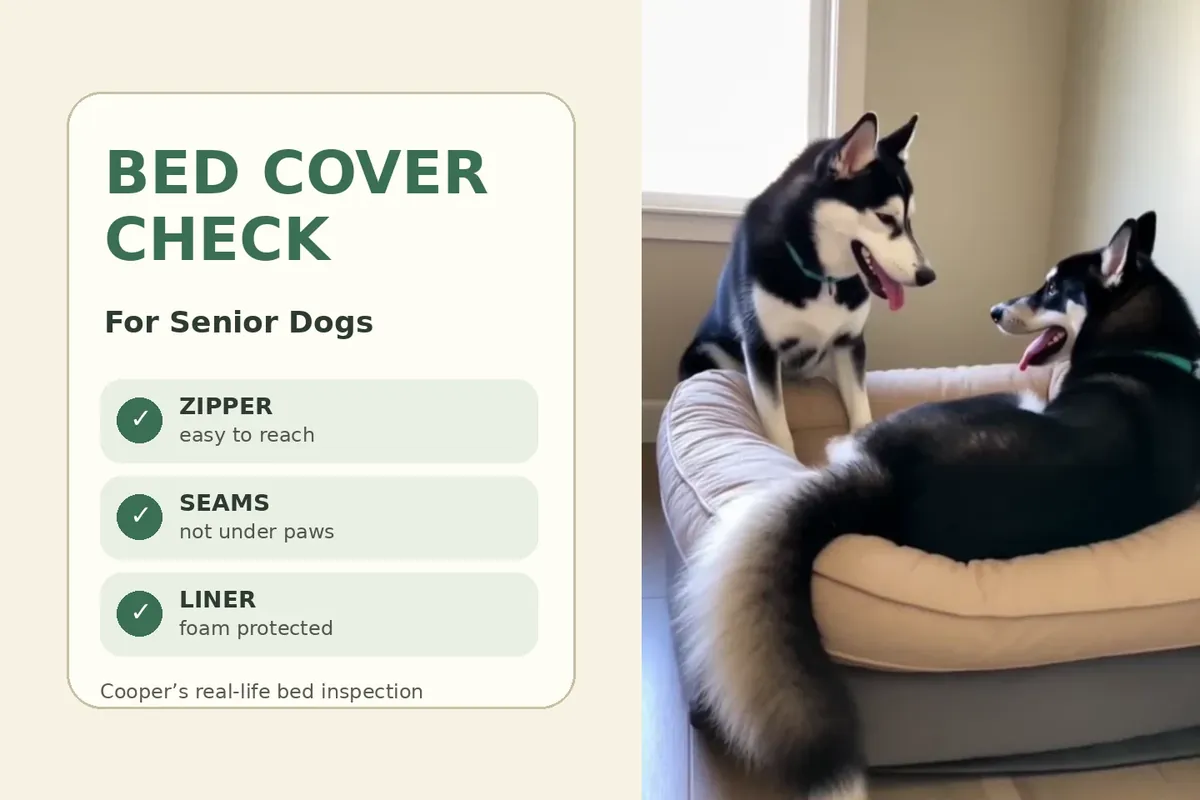
A non-slip bottom is only one traction layer. Use seven checks for the top cover where a senior dog steps on, turns, rises, and pushes off.
Read the Article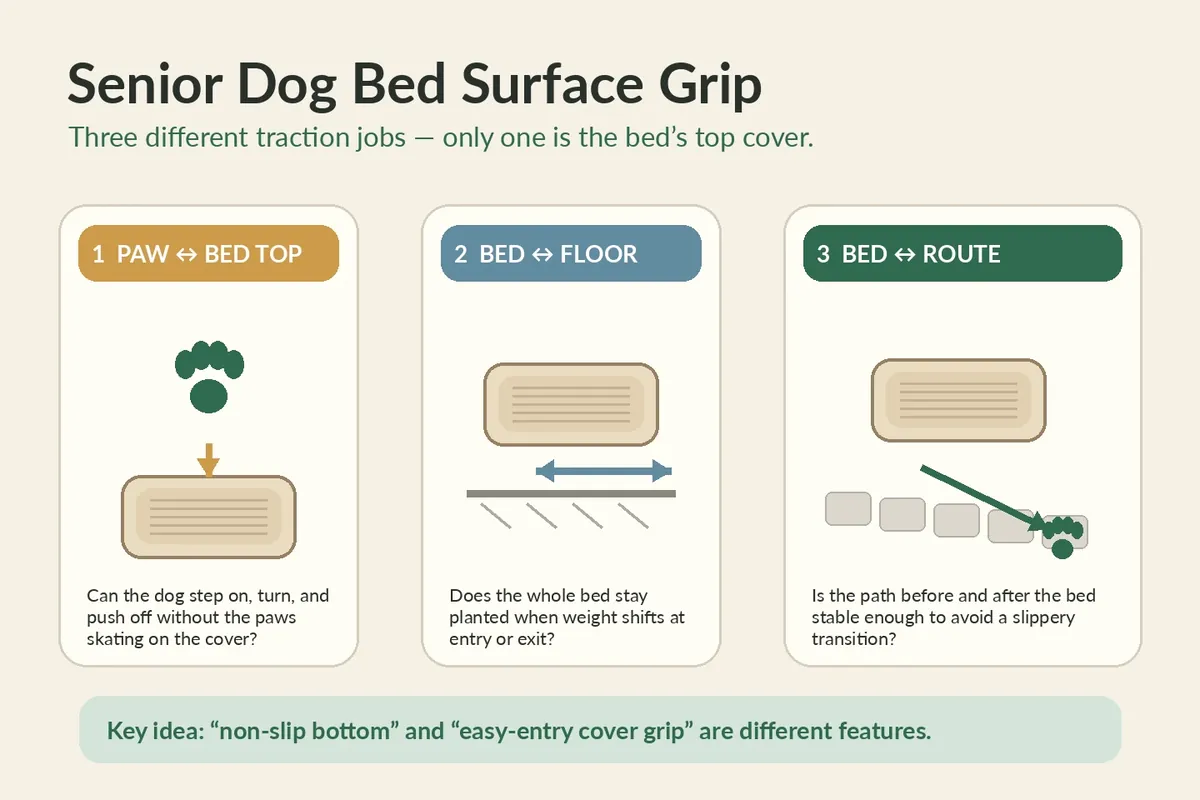
Density, firmness, thickness, and foam layers are different things. Learn how to read the specs—and what to check when a listing leaves them out.
Read the Article
A new bed can look right on paper and still be a poor fit at home. Use the first week to check access, usable space, support, heat, stability, route access, and care practicality.
Read the Article
A grippy-looking underside can still slide when dust, floor finish, a curled cover, or a forceful step changes the setup. Here is how to inspect and test the bed where your senior dog actually uses it.
Read the Article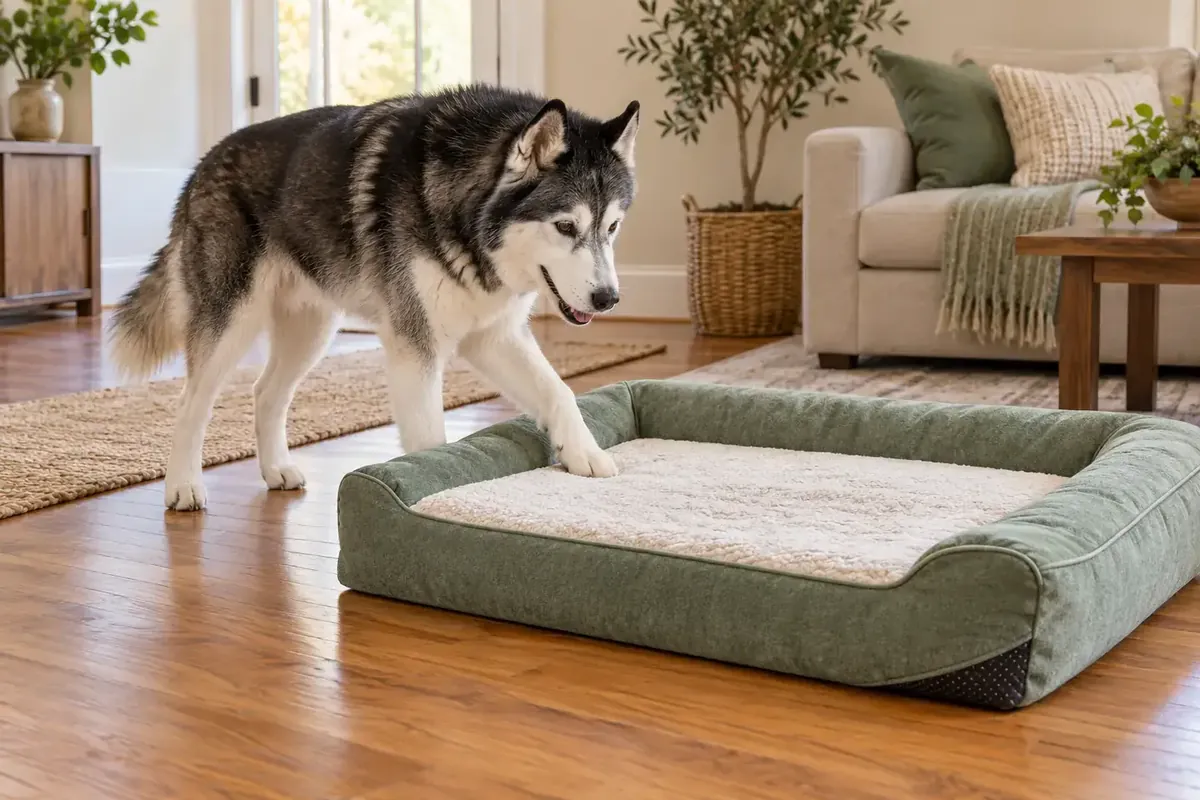
A listed weight limit can help rule out the wrong bed, but it cannot prove the foam will stay supportive or that a senior dog can enter, settle, and rise comfortably.
Read the Article
Check the cover fabric, stress points, hidden zippers, washable layers, replacement parts, support warranty, and senior-dog access before trusting a “durable” label.
Read the Article
Learn what quality seals, label details and testing claims can tell you—and why they still cannot prove a supplement will work for your senior dog.
Read the Article
A washable cover does not make the foam washable. Check each component’s care rules, current manufacturer examples, and what to do if the core gets wet.
Read the Article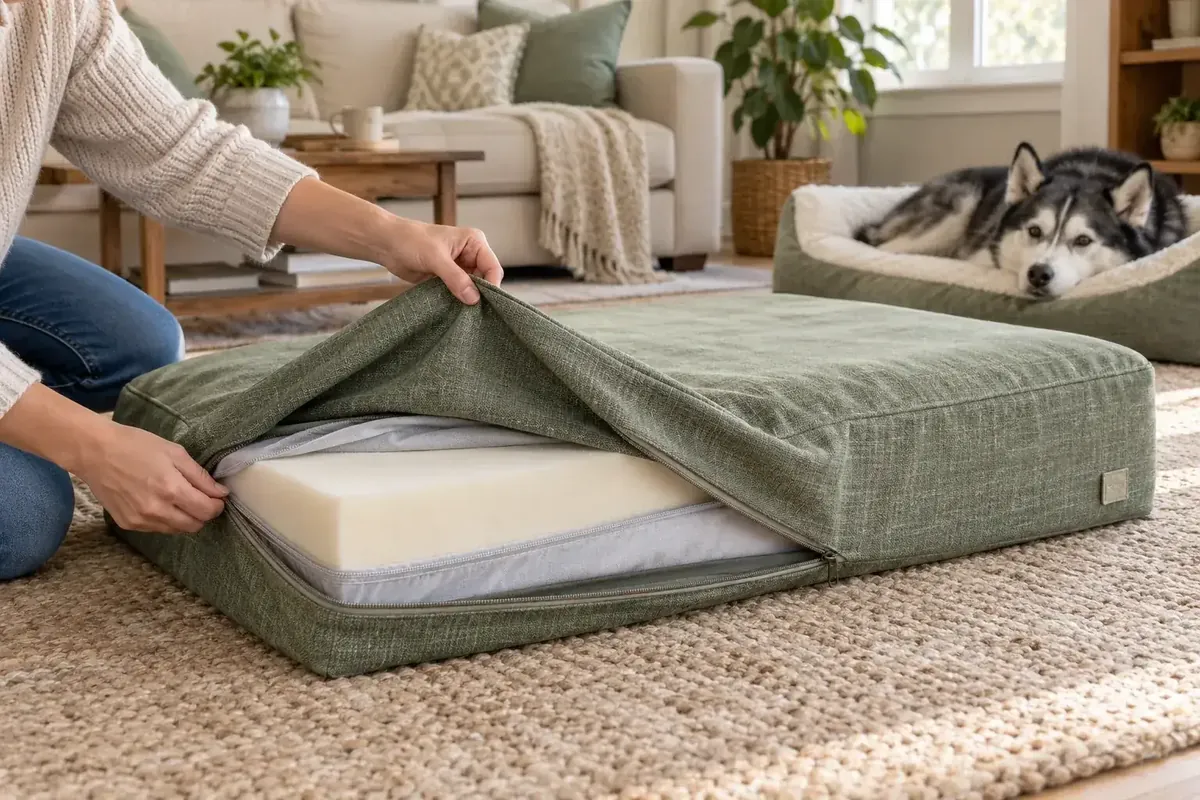
A slow stand-up is not automatically a bed problem. Check support, the real exit, first-step traction, landing space and the route after rest.
Read the Article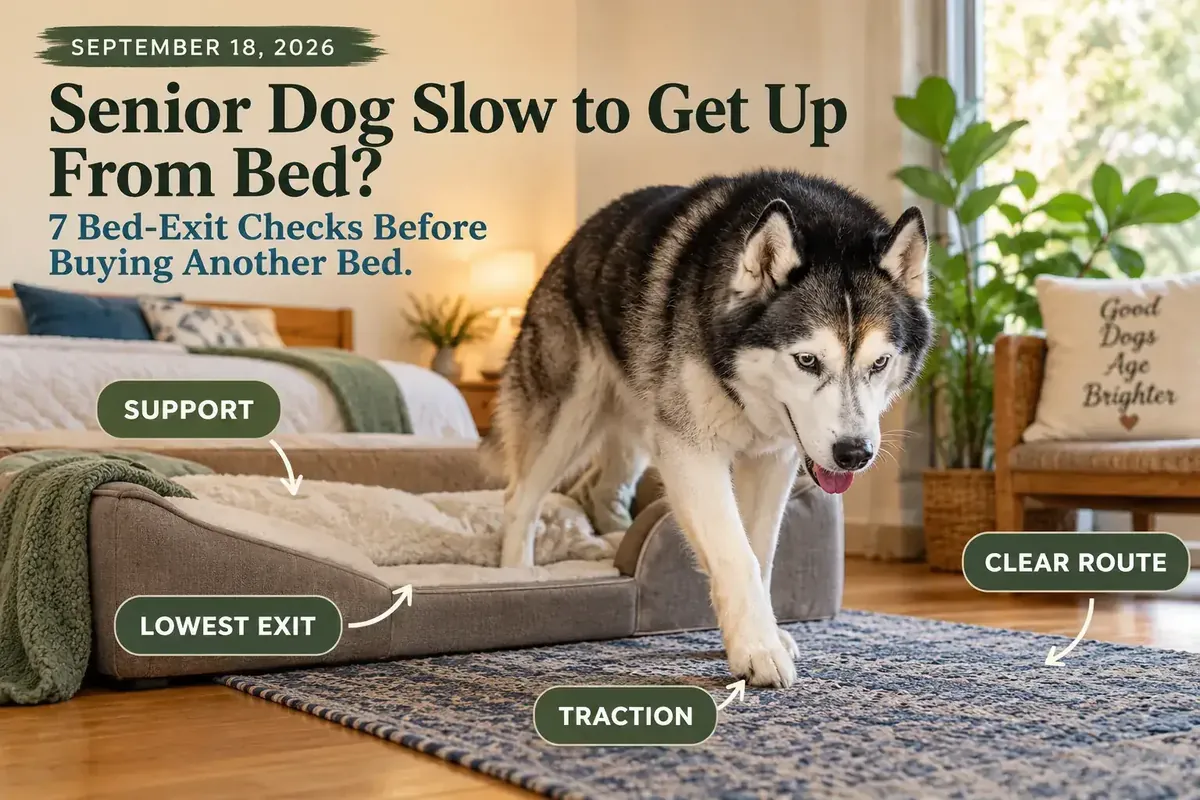
Bolsters can give a dog something to lean on, but they also change entry and usable sleep space. Compare seven practical fit and access checks before buying.
Read the Article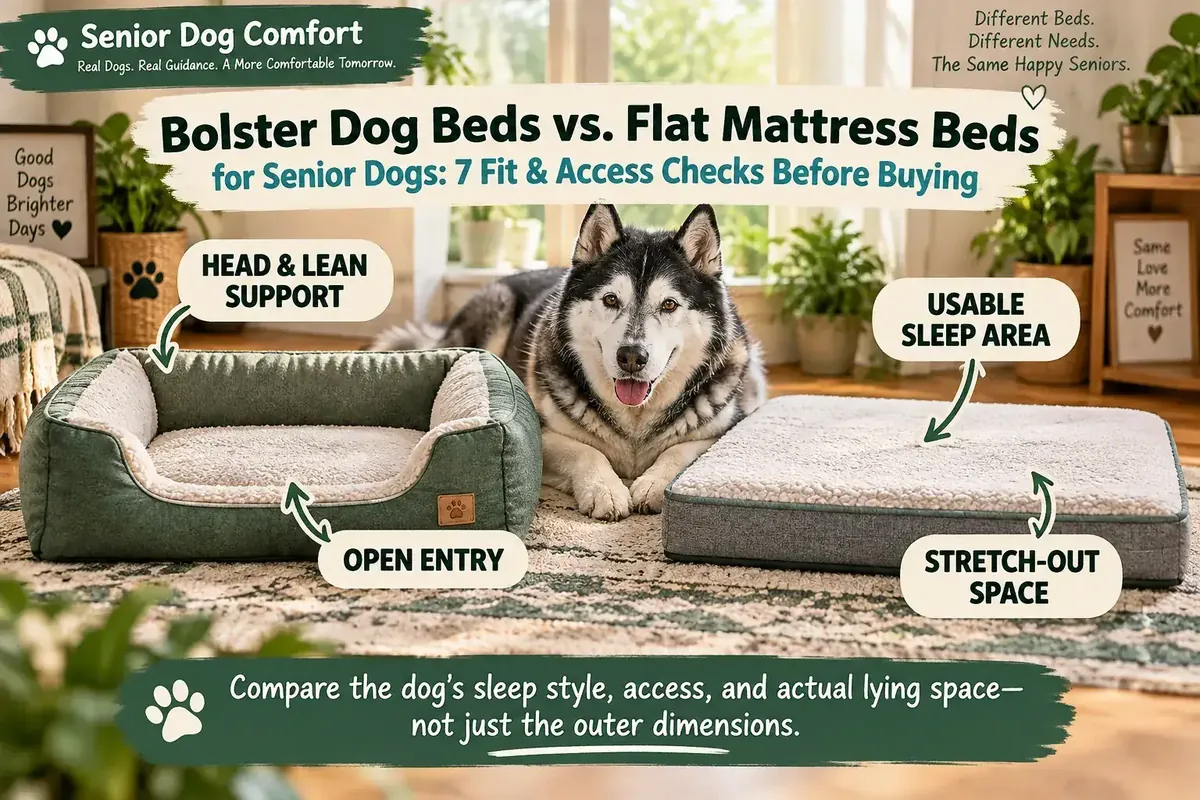
Memory foam can feel warm, but the foam alone is not the whole story. Use six practical checks for the bed, cover, room and your dog.
Read the Article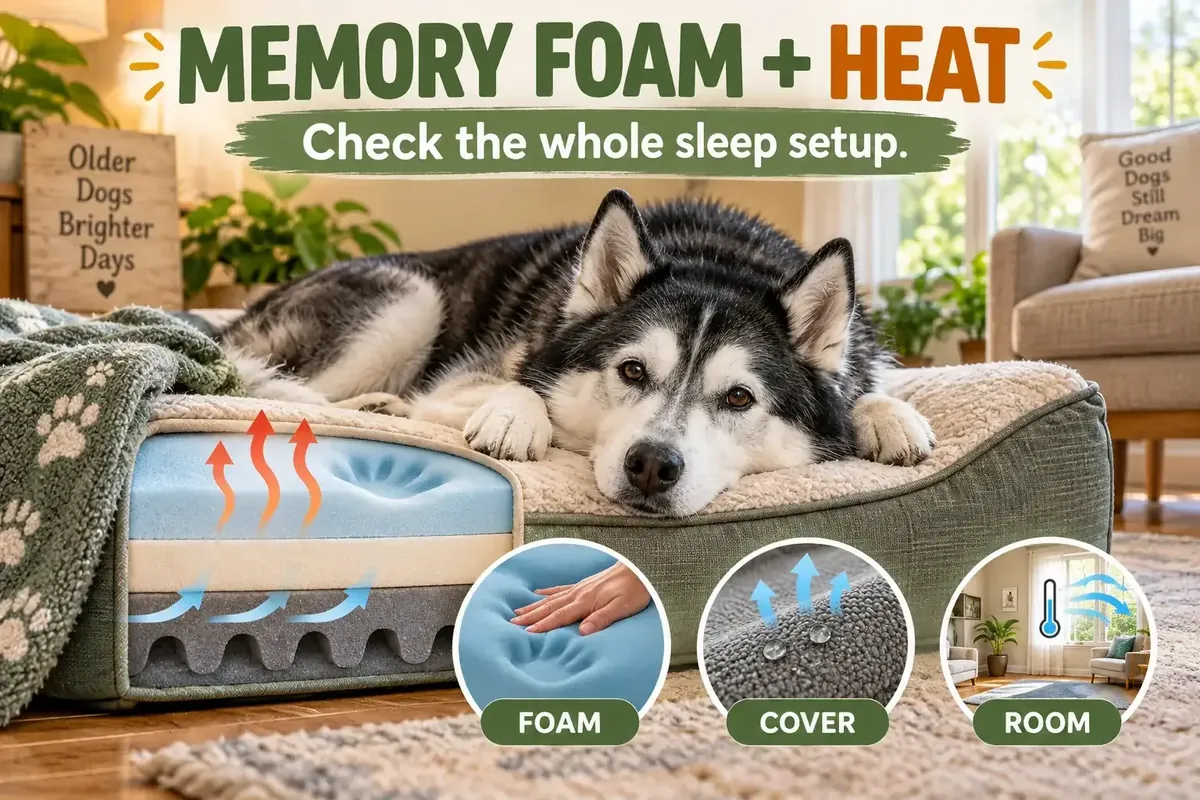
Compare the lowest entry edge, floor grip, usable sleep area, support, turning room and your dog’s real movement before choosing a senior-dog bed.
Read the Article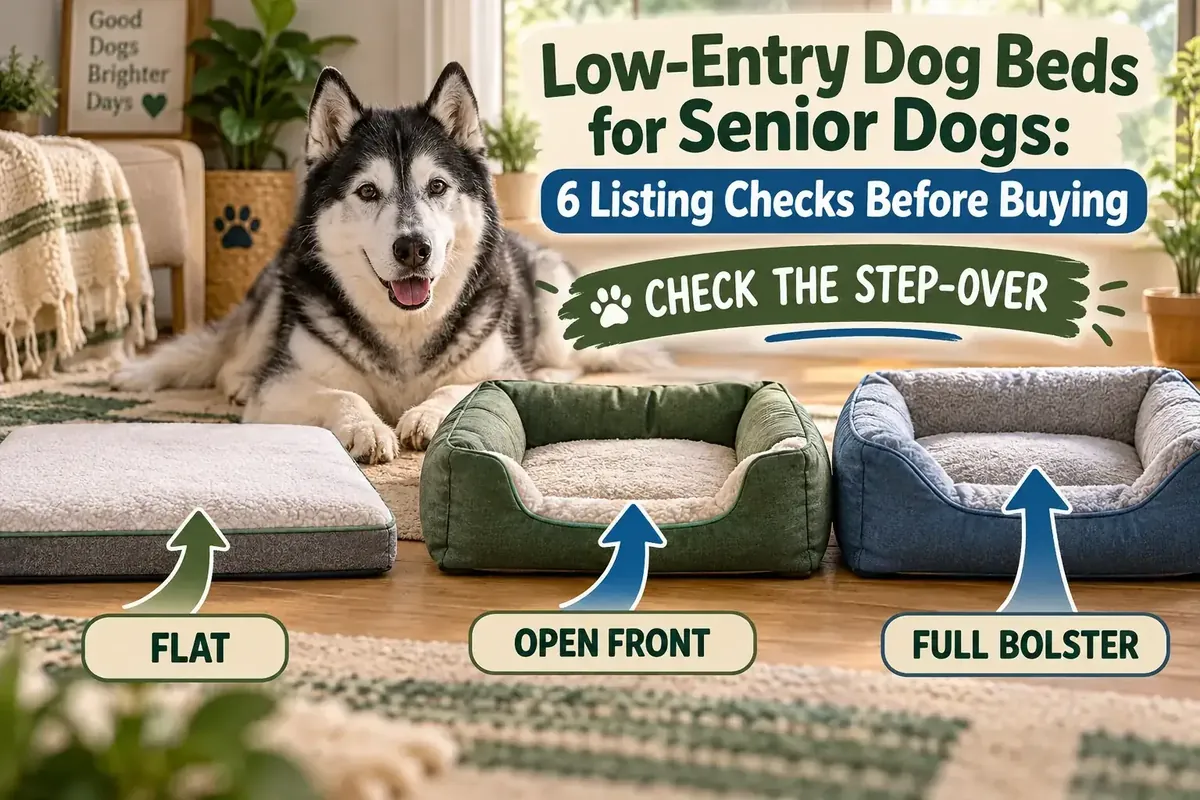
Compare the protected layer, included parts, seams, care directions, coverage, cleanup plan and replacement options—not just the label.
Read the Article
Compare outside dog-bed dimensions with the usable sleep surface using real manufacturer examples, exact size variants, and questions to ask before ordering.
Read the Article
Check lick-mat materials, supervision, portions, food ingredients, stable placement, cleaning, and wear before offering your senior dog a snack.
Read the Article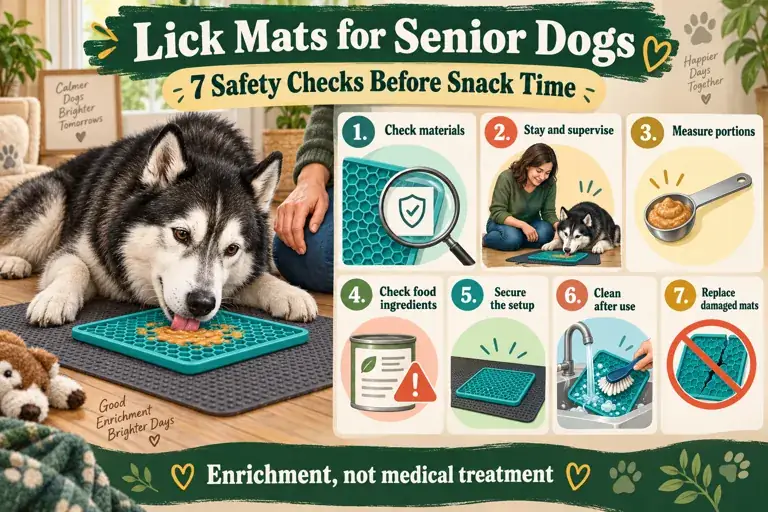
Doorway lips, floor transitions, narrow turns, and the first step through a door can become harder for an older dog. Check traction, clearance, lighting, landing room, and the crossing itself.
Read the Article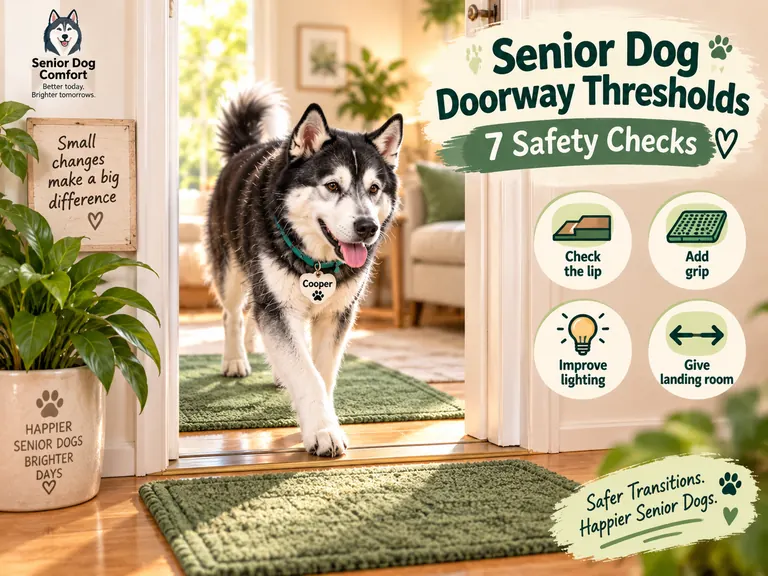
When hearing or vision changes, familiar rooms can become harder to navigate. Use eight practical setup checks for clearer routes, safer footing, lighting, barriers, and less startling contact.
Read the Article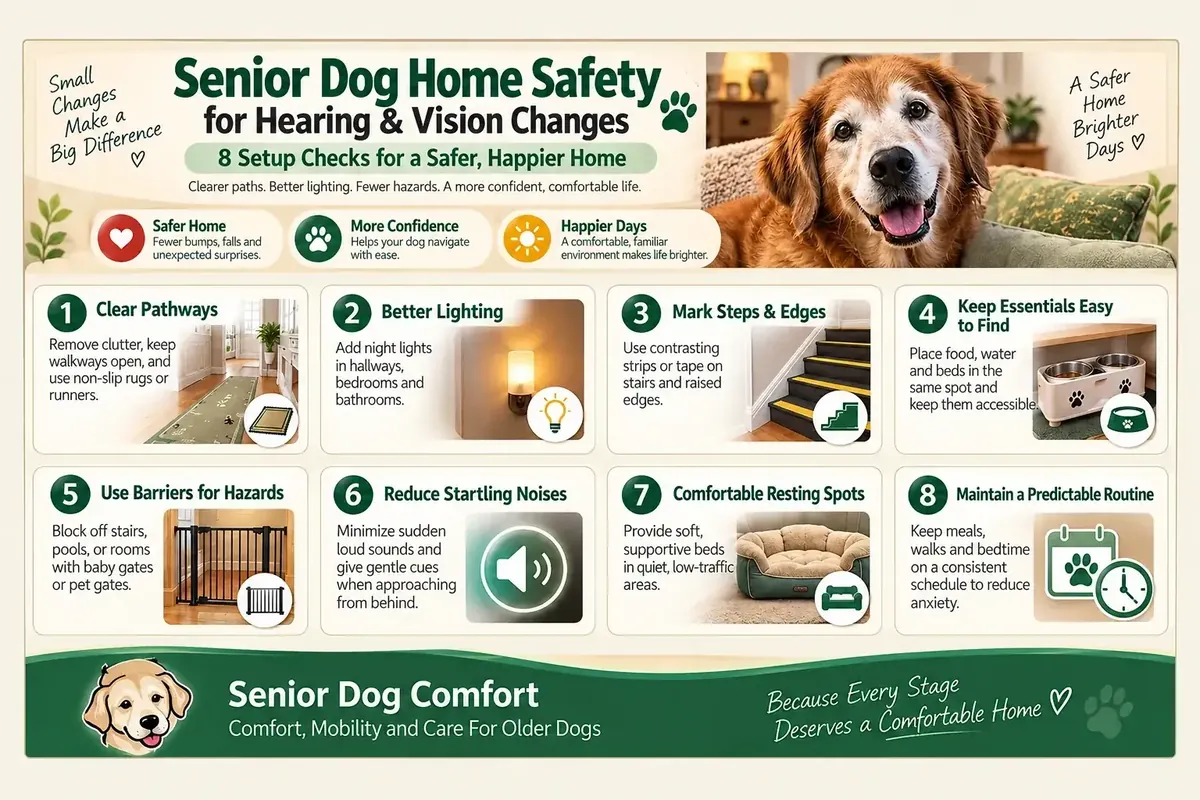
Before adding powered warmth, check easy exit, cord condition, supervision, heat tolerance, dry bedding, and when a health question belongs with your veterinarian.
Read the Article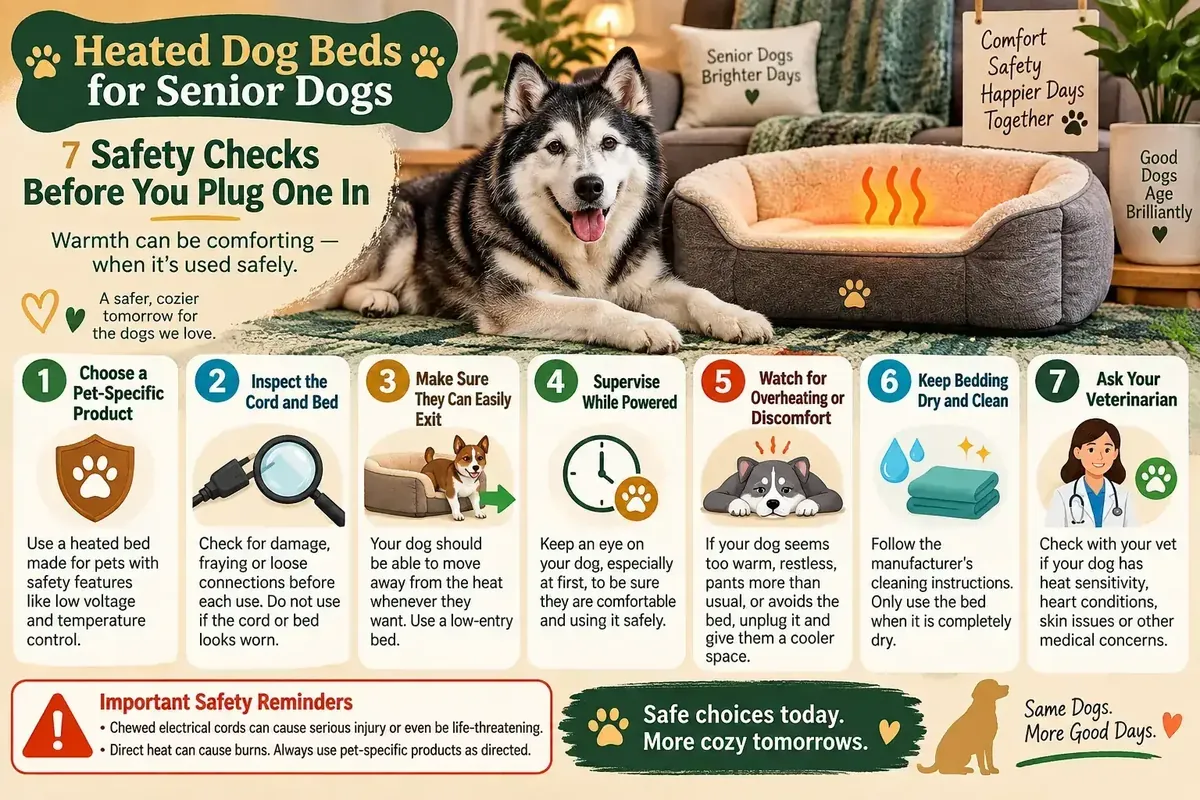
Make grooming easier with secure footing, shorter sessions, gentler handling, safer bathing transitions, planned rest, and clear signs that a new change needs professional attention.
Read the Article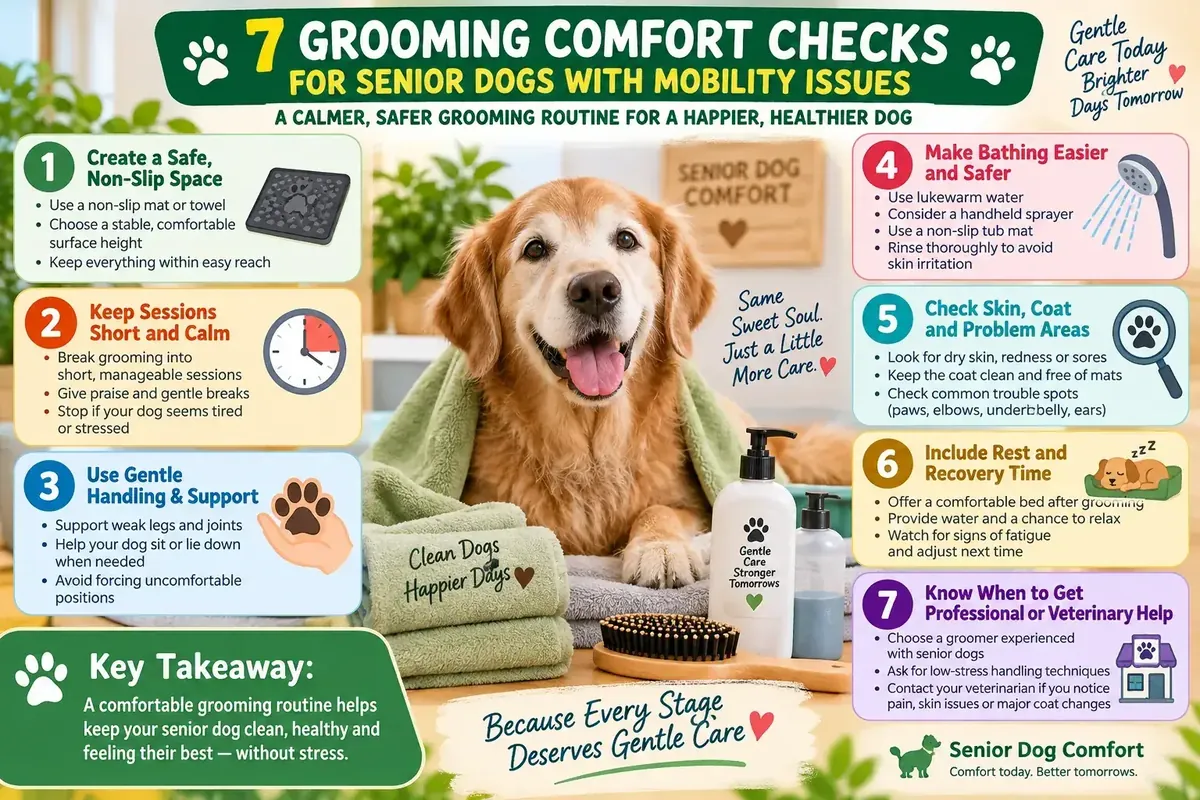
The word “senior” on the front of the bag is only the starting point. Check the nutritional adequacy statement, calories, guaranteed analysis, ingredients, and feeding directions before switching foods.
Read the Article
A water bowl is only useful if an older dog can reach it comfortably and stand securely while drinking. Check the route, traction, bowl stability, and meaningful thirst changes.
Read the Article
Before adding another traction product, check nail length, paw-pad fur, wet paws, secure flooring, and whether a new mobility change needs veterinary attention.
Read the Article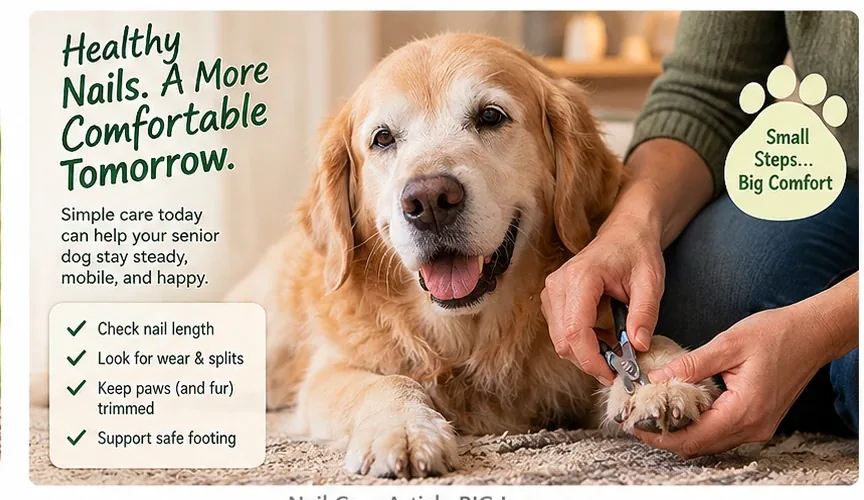
Make vehicle entry, restraint, breaks, hydration, heat safety, medications, records, and the destination route part of the plan before a long drive.
Read the Article
Elevation may improve access for one senior dog while being unnecessary or unsuitable for another. Compare posture, stability, and health risks first.
Read the Article
Before reaching for a sleep aid, inspect the nighttime route, routine, footing, resting station, and behavior pattern—and know when to call the veterinarian.
Read the Article
Skip the arbitrary countdown. Check the support core, permanent dips, entry edge, cover, base stability, and whether the bed still matches your dog’s needs.
Read the Article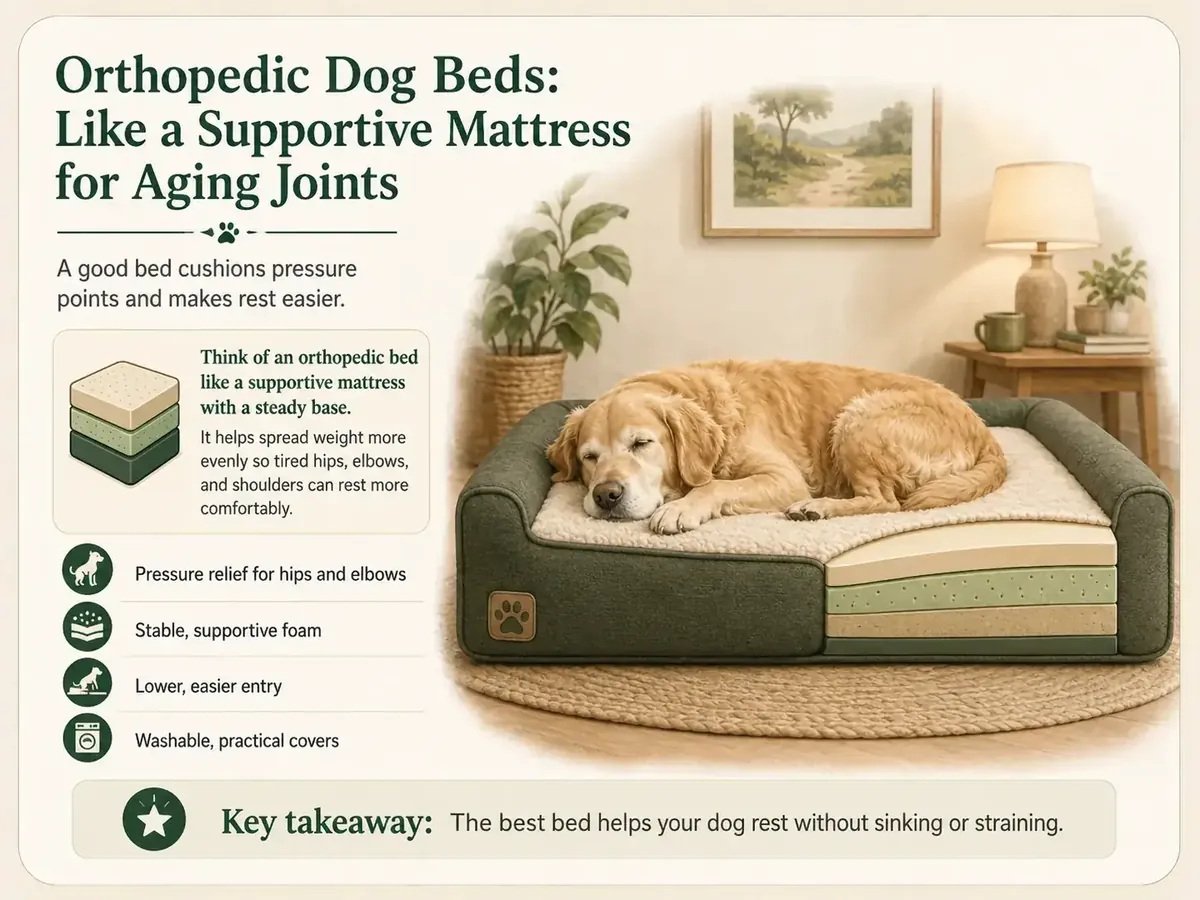
The right bed in the right place can make a big difference in how comfortably a senior dog rests, stands, turns, and moves through the room.
Read the Article
A calm, low-pressure plan to help a senior dog feel safer after a slip—while watching for pain and avoiding forced crossings.
Read the Article
A safer ramp is about more than the product label. Check the real angle, traction, width, stability, edge guidance, landing room, and daily setup.
Read the Article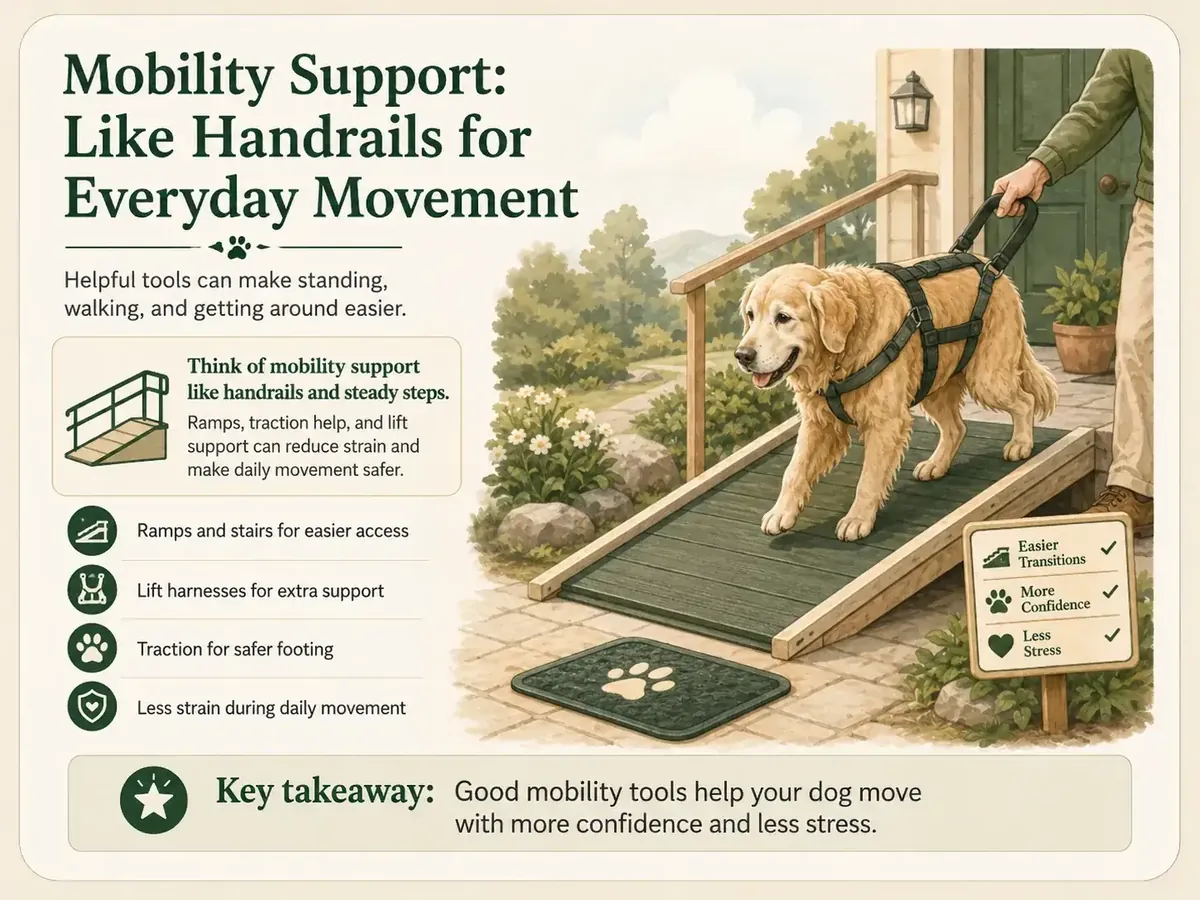
Browse by topic
Support, foam, sizing, washable materials, easy entry, placement, and new bed features.
Explore bed resources →Ramps, steps, traction, harnesses, vehicle access, and practical ways to reduce difficult transitions.
Explore mobility resources →Ingredient questions, supplement formats, label reading, and topics worth discussing with your veterinarian.
Explore joint-health resources →Food-routine questions, probiotics, diet changes, hydration, and practical digestive-support topics.
Explore gut-health resources →Grooming, sleep routines, home setup, enrichment, training, and adapting familiar habits for an older dog.
Explore behavior resources →New product categories, useful design changes, buyer questions, and trends worth understanding before you spend.
Search the site →Quick navigation